
In-cabin Monitoring Systems Improving Traffic Safety
SHARE

Each year, approximately 1.19 million people die in road traffic accidents (according to the World Health Organization), with driver distraction and inattention being significant contributors. In 2022 alone, distracted driving resulted in 3,308 deaths and 289,310 injuries. Besides all this, the rise of automated driving capabilities has further increased driver distraction, drowsiness, and loss of attention while driving, prompting regulatory authorities in Europe, America, and Asia to advocate for advanced safety technologies.

In-cabin and driver monitoring systems are recognized worldwide as key technologies for improving road safety. This has led to the introduction of new laws, requiring automotive manufacturers to integrate these systems into their vehicles. This legislation addresses the causes of traffic accidents that in-cabin monitoring systems are meant to reduce.

Beyond safety, in-cabin monitoring systems offer comfort and entertainment features, playing a crucial role in providing personalized digital services for car users. Similar to the digitalization seen in smartphones and smart home environments, vehicle interiors are becoming highly personalized and digitalized leveraging in-cabin monitoring.

What is an in-cabin monitoring system?

In short, an in-cabin monitoring system is an advanced driving assistance system (ADAS) that employs cameras and other sensors like radar to assess driver alertness and vigilance levels. This innovative approach to active safety aims to significantly reduce road accidents.

An in-cabin monitoring system can include various sub-systems such as Driver Monitoring Systems (DMS) and Occupant Monitoring Systems (OMS). Depending on the system configuration, these sub-systems can either operate as standalone units, each with its own sensors and processing capabilities or be integrated into a centralized processing unit for comprehensive in-cabin sensing. In this article, we will focus on Driver Monitoring Systems.

The Technology Stack Behind DMS

Driver Monitoring Systems (DMS): are designed to track a driver’s concentration and detect signs of drowsiness or distraction.

They typically include:

  • Cameras: Strategically placed to capture the driver’s face, eyes, and head movements.
  • Sensors: Working alongside cameras, these detect physical movements and environmental changes.
  • Software: This processes real-time data from cameras and sensors, analyzing behaviors like eye movements, head positions, and facial expressions to assess the driver’s attentiveness. 

How do driver monitoring systems operate?

   1. Data Collection: 

    • Cameras and sensors inside the vehicle gather information on driver behavior, capturing details such as facial expressions, eye movements, and head positions.
    • Sensors like accelerometers and gyroscopes detect physical and environmental changes.

   2. Data Analysis: 

    • Real-time data is processed using advanced image processing and pattern recognition software.
    • This software identifies behaviors linked to fatigue, distraction, or impairment, such as frequent blinking, head nodding, or looking away from the road.

   3. Driver Alerts: 

    • Visual Alerts: Flashing dashboard lights or warnings on the infotainment screen.
    • Audio Alerts: Beeps or spoken messages urging the driver to stay attentive.
    • Haptic Feedback: Vibrations in the seat or steering wheel to alert the driver.

Safety features of driver monitoring systems

  • Distraction, drowsiness, and attention

Eye, head, and face tracking Systemsmonitor the driver to detect drowsiness, fatigue, or inattention, ensuring focus remains on the road.

  • Driver Identification

Recognizes different drivers, enabling personalized settings and monitoring individual driving habits.

  • Object detection

Recognizes objects inside the vehicle and monitors the driver’s interactions with them.

  • Dangerous behavior

Identifies distracting behaviors, such as eating, drinking, smoking, or using a mobile phone.

  • Activity detection

Monitors the driver’s activities to determine if they are focused on driving or engaged in other tasks.

  • Body posture

Observes the driver’s posture, movements, and interactions with vehicle controls and interfaces.

  • Emotion Recognition

Analyzes facial expressions to determine the driver’s emotional state and adjusts alerts and feedback accordingly.

  • Health status

Monitors driver’s health status by tracking body posture and eye, head, and facial movements.

Special mention to addressing privacy concerns

Privacy preservation is a key concern with DMS, as these systems capture and analyze personal data. To mitigate potential privacy risks, manufacturers must:

  • Ensure robust data security measures, including data encryption.
  • Limit access to authorized personnel only.
  • Comply with data protection regulations.

Conclusion

Driver Monitoring Systems represent significant benefits for automotive safety technology. By continuously monitoring and analyzing driver behavior, these systems not only enhance individual safety but also contribute to broader road safety improvements.


Stay tuned to learn more about in-cabin technology and how these systems are expected to become even more sophisticated, incorporating deeper levels of AI and machine learning to provide increasingly accurate and personalized safety measures.

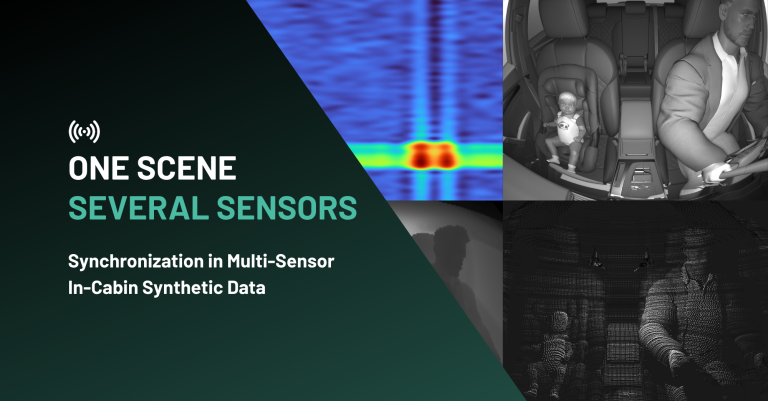
Discover our solution for in-cabin monitoring AI model testing and validation

Anyverse enables automakers and suppliers to ensure seamless AI model integration into the vehicle

Enjoyed this article?

Add us as a Preferred Source on Google to see more content like this in Discover and Top Stories.

About Anyverse

With over 25 years of heritage in physics-based simulation and a 2008 Academy Technical Achievement Award, Anyverse is a leading provider of high-fidelity synthetic data and validation tools for advanced Perception AI.

While Anyverse remains a premier partner for the Automotive market, specializing in In-Cabin Monitoring systems and ADAS, its technology is increasingly adopted across Defence, Robotics, and Industry 4.0. Leveraging a proprietary physics-grounded engine, procedural synthetic data generation, and next-gen Generative AI, Anyverse produces datasets with unmatched realism and sensor-level accuracy (including RGB, NIR, Radar, LiDAR, and Thermal).

Its unified validation framework helps partners ensure compliance with specific regulations like Euro NCAP, as well as broader safety standards for autonomous systems. By bridging the gap between simulation and reality, Anyverse accelerates development, reduces costs, and ensures trustworthy perception for vehicles, robots, and intelligent machines.

In-cabin Monitoring Systems Improving Traffic Safety

SHARE

Each year, approximately 1.19 million people die in road traffic accidents (according to the World Health Organization), with driver distraction and inattention being significant contributors. In 2022 alone, distracted driving resulted in 3,308 deaths and 289,310 injuries. Besides all this, the rise of automated driving capabilities has further increased driver distraction, drowsiness, and loss of attention while driving, prompting regulatory authorities in Europe, America, and Asia to advocate for advanced safety technologies.

In-cabin and driver monitoring systems are recognized worldwide as key technologies for improving road safety. This has led to the introduction of new laws, requiring automotive manufacturers to integrate these systems into their vehicles. This legislation addresses the causes of traffic accidents that in-cabin monitoring systems are meant to reduce.

Beyond safety, in-cabin monitoring systems offer comfort and entertainment features, playing a crucial role in providing personalized digital services for car users. Similar to the digitalization seen in smartphones and smart home environments, vehicle interiors are becoming highly personalized and digitalized leveraging in-cabin monitoring.

What is an in-cabin monitoring system?

In short, an in-cabin monitoring system is an advanced driving assistance system (ADAS) that employs cameras and other sensors like radar to assess driver alertness and vigilance levels. This innovative approach to active safety aims to significantly reduce road accidents.

An in-cabin monitoring system can include various sub-systems such as Driver Monitoring Systems (DMS) and Occupant Monitoring Systems (OMS). Depending on the system configuration, these sub-systems can either operate as standalone units, each with its own sensors and processing capabilities or be integrated into a centralized processing unit for comprehensive in-cabin sensing. In this article, we will focus on Driver Monitoring Systems.

The Technology Stack Behind DMS

Driver Monitoring Systems (DMS): are designed to track a driver’s concentration and detect signs of drowsiness or distraction.

They typically include:

  • Cameras: Strategically placed to capture the driver’s face, eyes, and head movements.
  • Sensors: Working alongside cameras, these detect physical movements and environmental changes.
  • Software: This processes real-time data from cameras and sensors, analyzing behaviors like eye movements, head positions, and facial expressions to assess the driver’s attentiveness. 

How do driver monitoring systems operate?

   1. Data Collection: 

    • Cameras and sensors inside the vehicle gather information on driver behavior, capturing details such as facial expressions, eye movements, and head positions.
    • Sensors like accelerometers and gyroscopes detect physical and environmental changes.

   2. Data Analysis: 

    • Real-time data is processed using advanced image processing and pattern recognition software.
    • This software identifies behaviors linked to fatigue, distraction, or impairment, such as frequent blinking, head nodding, or looking away from the road.

   3. Driver Alerts: 

    • Visual Alerts: Flashing dashboard lights or warnings on the infotainment screen.
    • Audio Alerts: Beeps or spoken messages urging the driver to stay attentive.
    • Haptic Feedback: Vibrations in the seat or steering wheel to alert the driver.

Safety features of driver monitoring systems

  • Distraction, drowsiness, and attention

Eye, head, and face tracking Systemsmonitor the driver to detect drowsiness, fatigue, or inattention, ensuring focus remains on the road.

  • Driver Identification

Recognizes different drivers, enabling personalized settings and monitoring individual driving habits.

  • Object detection

Recognizes objects inside the vehicle and monitors the driver’s interactions with them.

  • Dangerous behavior

Identifies distracting behaviors, such as eating, drinking, smoking, or using a mobile phone.

  • Activity detection

Monitors the driver’s activities to determine if they are focused on driving or engaged in other tasks.

  • Body posture

Observes the driver’s posture, movements, and interactions with vehicle controls and interfaces.

  • Emotion Recognition

Analyzes facial expressions to determine the driver’s emotional state and adjusts alerts and feedback accordingly.

  • Health status

Monitors driver’s health status by tracking body posture and eye, head, and facial movements.

Special mention to addressing privacy concerns

Privacy preservation is a key concern with DMS, as these systems capture and analyze personal data. To mitigate potential privacy risks, manufacturers must:

  • Ensure robust data security measures, including data encryption.
  • Limit access to authorized personnel only.
  • Comply with data protection regulations.

Conclusion

Driver Monitoring Systems represent significant benefits for automotive safety technology. By continuously monitoring and analyzing driver behavior, these systems not only enhance individual safety but also contribute to broader road safety improvements.


Stay tuned to learn more about in-cabin technology and how these systems are expected to become even more sophisticated, incorporating deeper levels of AI and machine learning to provide increasingly accurate and personalized safety measures.
Discover our solution for in-cabin monitoring AI model testing and validation

Anyverse enables automakers and suppliers to ensure seamless AI model integration into the vehicle

Enjoyed this article?

Tap to add us as a Preferred Source on Google to see more content like this.

About Anyverse

With over 25 years of heritage in physics-based simulation and a 2008 Academy Technical Achievement Award, Anyverse is a leading provider of high-fidelity synthetic data and validation tools for advanced Perception AI.

While Anyverse remains a premier partner for the Automotive market, specializing in In-Cabin Monitoring systems and ADAS, its technology is increasingly adopted across Defence, Robotics, and Industry 4.0. Leveraging a proprietary physics-grounded engine, procedural synthetic data generation, and next-gen Generative AI, Anyverse produces datasets with unmatched realism and sensor-level accuracy (including RGB, NIR, Radar, LiDAR, and Thermal).

Its unified validation framework helps partners ensure compliance with specific regulations like Euro NCAP, as well as broader safety standards for autonomous systems. By bridging the gap between simulation and reality, Anyverse accelerates development, reduces costs, and ensures trustworthy perception for vehicles, robots, and intelligent machines.