
Navigating U.S. Regulations for In-Cabin Monitoring Systems
SHARE

Table of Contents

Table of Contents

Executive Summary

The U.S. regulatory landscape for in-cabin monitoring systems (ICMS) is rapidly evolving, driven by safety, privacy, and technological innovation. Federal regulations, including the SAFE Act, Hot Cars Act, IIJA, and rear seat belt reminder rules, are shaping requirements for driver monitoring systems (DMS), child presence detection (CPD), and occupant alert systems. Complementing these are state-level laws governing data privacy, access, and legal admissibility. Industry bodies like the Alliance of Automobile Manufacturers further guide standardization and consumer awareness. Automotive stakeholders must navigate a complex mix of federal, state, and industry regulations by integrating compliant, privacy-conscious, and adaptable ICMS technologies. Looking ahead, potential mandates on DMS and CPD highlight the need for proactive system design to ensure safety, legal compliance, and user trust.

Introduction

As in-cabin monitoring systems (ICMS) become a staple in modern vehicles, their role in improving safety, efficiency, and regulatory compliance cannot be overstated. After previously covering in-cabin regulatory compliance around the globe and taking a deep dive into European regulations, we now focus on the United States. The regulatory framework for ICMS in the U.S. is evolving rapidly, driven by technological advancements and increasing demand for passenger safety. 

Below, we explore the key legislation shaping the deployment and adoption of ICMS, and its implications for manufacturers and suppliers.

Federal-Level Regulations

Stay Aware for Everyone (SAFE) Act of 2021

This Act aims to reduce road accidents caused by distracted driving. It directs the National Highway Traffic Safety Administration (NHTSA) to evaluate driver monitoring systems (DMS) that can detect:

  • Distractions caused by mobile devices or in-cabin interactions.
  • Driver fatigue or incapacitation, ensuring safe operation even with semi-autonomous systems.

By prioritizing DMS integration, the SAFE Act paves the way for vehicles equipped with robust monitoring systems to enhance road safety.

Helping Overcome Trauma for Children Alone in Rear Seats (Hot Cars Act of 2021)

Designed to prevent heatstroke deaths, this Act mandates systems that can detect the presence of children in the rear seats of vehicles. Automakers are expected to implement:

  • Thermal or motion sensors to identify unattended children.
  • Alerts to warn drivers before they exit the vehicle.

This regulation not only highlights child safety but also accelerates the adoption of child presence detection (CPD) technologies.

Infrastructure Investment and Jobs Act (IIJA)

The IIJA dedicates resources to fostering technological innovation in transportation safety. It encourages automakers to adopt ICMS that:

  • Monitor driver engagement and detect distractions.
  • Identify and alert for the presence of children, pets, or other vulnerable occupants.

The IIJA underscores the importance of integrating cutting-edge ICMS technologies to meet federal safety objectives.

Seat Belt Reminder Systems

One of the more recent federal regulations involves rear seat belt reminders. In December 2024, NHTSA issued a rule requiring all new cars and trucks sold in the U.S. to include systems that alert passengers to fasten their rear seat belts. Automakers must comply with this regulation by September 2027. This initiative aims to address the alarming rate of injuries and fatalities among unbelted rear-seat passengers.

Driver Privacy Act of 2015 

The Driver Privacy Act of 2015 governs the use of data from event data recorders (EDRs) installed in vehicles. The law establishes that vehicle owners are the primary owners of this data. Access by third parties—such as insurers or legal entities—requires explicit owner consent or a court order. This regulation has significant implications for in-cabin monitoring, ensuring that privacy concerns are adequately addressed as these systems collect and process large volumes of sensitive data.

Industry-Level Regulations

The Alliance of Automobile Manufacturers is critical in aligning industry practices with regulatory frameworks. Key contributions include:

  • Policy advocacy: Supporting the implementation of federal and state-level regulations for ICMS.
  • Technology standardization: Promoting consistent and reliable systems across manufacturers.
  • Consumer awareness: Educating the public on ICMS benefits and functionalities.

Their proactive approach helps automakers navigate regulatory complexities effectively while driving technological progress.

State-Level Regulations

Beyond federal mandates, individual states play a significant role in shaping the regulatory landscape for ICMS. Key areas of focus include:

  • Data Usage and Privacy: Many states have enacted laws restricting how in-cabin monitoring data, including EDR data, can be accessed and used. These laws often require owner consent or legal authorization, reflecting a growing emphasis on consumer data rights.
  • Legal Admissibility: The way ICMS data is handled in legal proceedings varies by state. For manufacturers, this means designing systems that are compliant with diverse regional requirements, especially in states with strict data protection laws like California.

Future Mandates on the Horizon

Potential DMS Requirements

Driver monitoring systems may soon become a federal requirement, especially as semi-autonomous driving features gain popularity. These systems will likely be tasked with monitoring driver engagement in real-time, ensuring they remain alert even when assisted-driving technologies are in use.

Child Presence Detection

Detecting and monitoring the presence and state of minors in the vehicle is one of the main occupant monitoring system features. While not currently mandated in the U.S., child presence detection (CPD) is gaining attention as a critical safety feature. Such systems use thermal imaging, motion sensors, or seat weight detection to prevent tragic incidents involving unattended children in vehicles. As other regions like the EU enforce CPD regulations, the U.S. may follow suit in the coming years.

Implications for Automotive Stakeholders

For automotive manufacturers and suppliers, navigating these regulatory complexities requires a proactive approach:

  • Comprehensive Compliance: Systems must align with both federal and state regulations, addressing features like seat belt reminders, DMS, and data protection protocols.
  • Data Privacy Integration: Robust privacy measures are essential, ensuring compliance with laws governing the collection, storage, and sharing of sensitive user data.
  • Adaptable Design: As regulatory landscapes evolve, vehicles should be designed with flexibility, enabling the integration of new compliance-driven technologies like CPD or enhanced DMS.

Conclusion

The U.S. regulatory framework for in-cabin monitoring systems reflects a growing emphasis on safety and privacy in automotive design. Federal initiatives like seat belt reminders and EDR protections, combined with state-level data regulations, are shaping the future of ICMS.

For OEMs, suppliers, and in-cabin system integrators, staying ahead means not only complying with current mandates but also preparing for emerging requirements such as driver monitoring and child presence detection. By embracing these changes, the industry can ensure safer, smarter, and more compliant vehicles for all road users.

FAQ: U.S. Incabin Monitoring Regulations

How are U.S. regulators approaching occupant privacy in ICMS development?

  1. Federal agencies are evaluating guidelines for on-device processing, data minimization, anonymization, and restricted data sharing. Future rules may require systems to process sensitive information locally within the vehicle and transmit only aggregated or encrypted metrics to ensure occupant privacy while meeting compliance objectives.

How do federal regulations affect sensor accuracy requirements in DMS?

Federal agencies increasingly expect DMS to meet measurable performance standards, such as maintaining accurate detection of eye closure rates above 95%, correctly identifying head orientation within 5° increments, and triggering alerts within 1–2 seconds of driver inattention. Compliance testing may involve controlled lighting conditions, simulated drowsiness scenarios, and repeated trials to statistically validate reliability under safety standards.

What considerations do manufacturers face for CPD system validation?

To meet potential federal scrutiny, CPD systems must be validated across a range of occupant sizes, clothing types, and seating configurations. This includes testing in high temperatures, low-light environments, and with objects that could cause false positives. Manufacturers often create standardized testing protocols to generate traceable evidence for regulators that the system reliably detects children under all conditions.

How do funding incentives like the IIJA shape ICMS regulatory strategies?

IIJA grants encourage automakers to adopt advanced monitoring features that exceed baseline safety standards. For example, companies may integrate predictive distraction algorithms or real-time child detection, while documenting system performance in line with federal reporting requirements, creating both safety and compliance advantages.

Systems implement tamper-evident logging, encryption, and synchronized timestamps to ensure that data can be used as evidence if needed. These audit trails allow regulators and courts to verify that alerts were triggered, sensors operated correctly, and data access complied with federal and state privacy laws.

How do regulators evaluate false-positive rates in ICMS alerts?

Federal and state regulators expect manufacturers to measure and document the frequency of incorrect alerts, such as DMS detecting distraction when the driver is attentive. Compliance involves controlled testing scenarios, statistical reporting, and implementing thresholds that minimize nuisance alerts without compromising safety.

Enjoyed this article?

Add us as a Preferred Source on Google to see more content like this in Discover and Top Stories.

About Anyverse

With over 25 years of heritage in physics-based simulation and a 2008 Academy Technical Achievement Award, Anyverse is a leading provider of high-fidelity synthetic data and validation tools for advanced Perception AI.

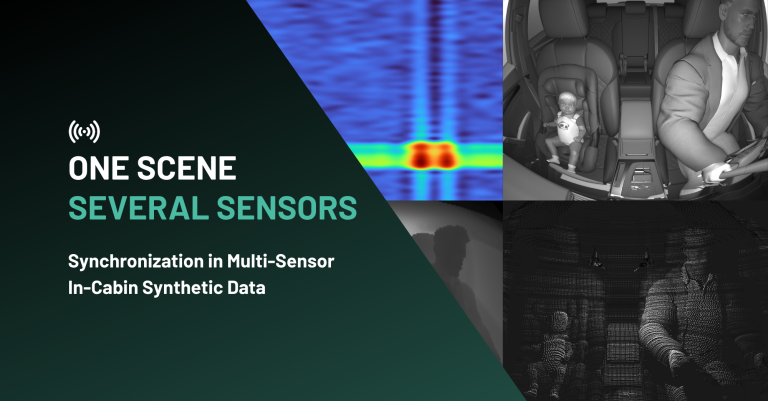
While Anyverse remains a premier partner for the Automotive market, specializing in In-Cabin Monitoring systems and ADAS, its technology is increasingly adopted across Defence, Robotics, and Industry 4.0. Leveraging a proprietary physics-grounded engine, procedural synthetic data generation, and next-gen Generative AI, Anyverse produces datasets with unmatched realism and sensor-level accuracy (including RGB, NIR, Radar, LiDAR, and Thermal).

Its unified validation framework helps partners ensure compliance with specific regulations like Euro NCAP, as well as broader safety standards for autonomous systems. By bridging the gap between simulation and reality, Anyverse accelerates development, reduces costs, and ensures trustworthy perception for vehicles, robots, and intelligent machines.

Navigating U.S. Regulations for In-Cabin Monitoring Systems

SHARE

Table of Contents

Table of Contents

Executive Summary

The U.S. regulatory landscape for in-cabin monitoring systems (ICMS) is rapidly evolving, driven by safety, privacy, and technological innovation. Federal regulations, including the SAFE Act, Hot Cars Act, IIJA, and rear seat belt reminder rules, are shaping requirements for driver monitoring systems (DMS), child presence detection (CPD), and occupant alert systems. Complementing these are state-level laws governing data privacy, access, and legal admissibility. Industry bodies like the Alliance of Automobile Manufacturers further guide standardization and consumer awareness. Automotive stakeholders must navigate a complex mix of federal, state, and industry regulations by integrating compliant, privacy-conscious, and adaptable ICMS technologies. Looking ahead, potential mandates on DMS and CPD highlight the need for proactive system design to ensure safety, legal compliance, and user trust.

Introduction

As in-cabin monitoring systems (ICMS) become a staple in modern vehicles, their role in improving safety, efficiency, and regulatory compliance cannot be overstated. After previously covering in-cabin regulatory compliance around the globe and taking a deep dive into European regulations, we now focus on the United States. The regulatory framework for ICMS in the U.S. is evolving rapidly, driven by technological advancements and increasing demand for passenger safety. 

Below, we explore the key legislation shaping the deployment and adoption of ICMS, and its implications for manufacturers and suppliers.

Federal-Level Regulations

Stay Aware for Everyone (SAFE) Act of 2021

This Act aims to reduce road accidents caused by distracted driving. It directs the National Highway Traffic Safety Administration (NHTSA) to evaluate driver monitoring systems (DMS) that can detect:

  • Distractions caused by mobile devices or in-cabin interactions.
  • Driver fatigue or incapacitation, ensuring safe operation even with semi-autonomous systems.

By prioritizing DMS integration, the SAFE Act paves the way for vehicles equipped with robust monitoring systems to enhance road safety.

Helping Overcome Trauma for Children Alone in Rear Seats (Hot Cars Act of 2021)

Designed to prevent heatstroke deaths, this Act mandates systems that can detect the presence of children in the rear seats of vehicles. Automakers are expected to implement:

  • Thermal or motion sensors to identify unattended children.
  • Alerts to warn drivers before they exit the vehicle.

This regulation not only highlights child safety but also accelerates the adoption of child presence detection (CPD) technologies.

Infrastructure Investment and Jobs Act (IIJA)

The IIJA dedicates resources to fostering technological innovation in transportation safety. It encourages automakers to adopt ICMS that:

  • Monitor driver engagement and detect distractions.
  • Identify and alert for the presence of children, pets, or other vulnerable occupants.

The IIJA underscores the importance of integrating cutting-edge ICMS technologies to meet federal safety objectives.

Seat Belt Reminder Systems

One of the more recent federal regulations involves rear seat belt reminders. In December 2024, NHTSA issued a rule requiring all new cars and trucks sold in the U.S. to include systems that alert passengers to fasten their rear seat belts. Automakers must comply with this regulation by September 2027. This initiative aims to address the alarming rate of injuries and fatalities among unbelted rear-seat passengers.

Driver Privacy Act of 2015 

The Driver Privacy Act of 2015 governs the use of data from event data recorders (EDRs) installed in vehicles. The law establishes that vehicle owners are the primary owners of this data. Access by third parties—such as insurers or legal entities—requires explicit owner consent or a court order. This regulation has significant implications for in-cabin monitoring, ensuring that privacy concerns are adequately addressed as these systems collect and process large volumes of sensitive data.

Industry-Level Regulations

The Alliance of Automobile Manufacturers is critical in aligning industry practices with regulatory frameworks. Key contributions include:

  • Policy advocacy: Supporting the implementation of federal and state-level regulations for ICMS.
  • Technology standardization: Promoting consistent and reliable systems across manufacturers.
  • Consumer awareness: Educating the public on ICMS benefits and functionalities.

Their proactive approach helps automakers navigate regulatory complexities effectively while driving technological progress.

State-Level Regulations

Beyond federal mandates, individual states play a significant role in shaping the regulatory landscape for ICMS. Key areas of focus include:

  • Data Usage and Privacy: Many states have enacted laws restricting how in-cabin monitoring data, including EDR data, can be accessed and used. These laws often require owner consent or legal authorization, reflecting a growing emphasis on consumer data rights.
  • Legal Admissibility: The way ICMS data is handled in legal proceedings varies by state. For manufacturers, this means designing systems that are compliant with diverse regional requirements, especially in states with strict data protection laws like California.

Future Mandates on the Horizon

Potential DMS Requirements

Driver monitoring systems may soon become a federal requirement, especially as semi-autonomous driving features gain popularity. These systems will likely be tasked with monitoring driver engagement in real-time, ensuring they remain alert even when assisted-driving technologies are in use.

Child Presence Detection

Detecting and monitoring the presence and state of minors in the vehicle is one of the main occupant monitoring system features. While not currently mandated in the U.S., child presence detection (CPD) is gaining attention as a critical safety feature. Such systems use thermal imaging, motion sensors, or seat weight detection to prevent tragic incidents involving unattended children in vehicles. As other regions like the EU enforce CPD regulations, the U.S. may follow suit in the coming years.

Implications for Automotive Stakeholders

For automotive manufacturers and suppliers, navigating these regulatory complexities requires a proactive approach:

  • Comprehensive Compliance: Systems must align with both federal and state regulations, addressing features like seat belt reminders, DMS, and data protection protocols.
  • Data Privacy Integration: Robust privacy measures are essential, ensuring compliance with laws governing the collection, storage, and sharing of sensitive user data.
  • Adaptable Design: As regulatory landscapes evolve, vehicles should be designed with flexibility, enabling the integration of new compliance-driven technologies like CPD or enhanced DMS.

Conclusion

The U.S. regulatory framework for in-cabin monitoring systems reflects a growing emphasis on safety and privacy in automotive design. Federal initiatives like seat belt reminders and EDR protections, combined with state-level data regulations, are shaping the future of ICMS.

For OEMs, suppliers, and in-cabin system integrators, staying ahead means not only complying with current mandates but also preparing for emerging requirements such as driver monitoring and child presence detection. By embracing these changes, the industry can ensure safer, smarter, and more compliant vehicles for all road users.

FAQ: U.S. Incabin Monitoring Regulations

How are U.S. regulators approaching occupant privacy in ICMS development?

  1. Federal agencies are evaluating guidelines for on-device processing, data minimization, anonymization, and restricted data sharing. Future rules may require systems to process sensitive information locally within the vehicle and transmit only aggregated or encrypted metrics to ensure occupant privacy while meeting compliance objectives.

How do federal regulations affect sensor accuracy requirements in DMS?

Federal agencies increasingly expect DMS to meet measurable performance standards, such as maintaining accurate detection of eye closure rates above 95%, correctly identifying head orientation within 5° increments, and triggering alerts within 1–2 seconds of driver inattention. Compliance testing may involve controlled lighting conditions, simulated drowsiness scenarios, and repeated trials to statistically validate reliability under safety standards.

What considerations do manufacturers face for CPD system validation?

To meet potential federal scrutiny, CPD systems must be validated across a range of occupant sizes, clothing types, and seating configurations. This includes testing in high temperatures, low-light environments, and with objects that could cause false positives. Manufacturers often create standardized testing protocols to generate traceable evidence for regulators that the system reliably detects children under all conditions.

How do funding incentives like the IIJA shape ICMS regulatory strategies?

IIJA grants encourage automakers to adopt advanced monitoring features that exceed baseline safety standards. For example, companies may integrate predictive distraction algorithms or real-time child detection, while documenting system performance in line with federal reporting requirements, creating both safety and compliance advantages.

Systems implement tamper-evident logging, encryption, and synchronized timestamps to ensure that data can be used as evidence if needed. These audit trails allow regulators and courts to verify that alerts were triggered, sensors operated correctly, and data access complied with federal and state privacy laws.

How do regulators evaluate false-positive rates in ICMS alerts?

Federal and state regulators expect manufacturers to measure and document the frequency of incorrect alerts, such as DMS detecting distraction when the driver is attentive. Compliance involves controlled testing scenarios, statistical reporting, and implementing thresholds that minimize nuisance alerts without compromising safety.
Enjoyed this article?

Tap to add us as a Preferred Source on Google to see more content like this.

About Anyverse

With over 25 years of heritage in physics-based simulation and a 2008 Academy Technical Achievement Award, Anyverse is a leading provider of high-fidelity synthetic data and validation tools for advanced Perception AI.

While Anyverse remains a premier partner for the Automotive market, specializing in In-Cabin Monitoring systems and ADAS, its technology is increasingly adopted across Defence, Robotics, and Industry 4.0. Leveraging a proprietary physics-grounded engine, procedural synthetic data generation, and next-gen Generative AI, Anyverse produces datasets with unmatched realism and sensor-level accuracy (including RGB, NIR, Radar, LiDAR, and Thermal).

Its unified validation framework helps partners ensure compliance with specific regulations like Euro NCAP, as well as broader safety standards for autonomous systems. By bridging the gap between simulation and reality, Anyverse accelerates development, reduces costs, and ensures trustworthy perception for vehicles, robots, and intelligent machines.